
Thanksgiving is a time for gratitude, great food and fun conversation. These fun dental tidbits just might make you and your patients the most interesting guests at the table!
Early settlers
If you lived back in the 1600s, around the time of the first Thanksgiving, there was a good chance that your “dentist” was a blacksmith or a barber. The modern dentistry we know today did not exist. Pilgrims did not have toothbrushes like ours, instead they cleaned their teeth with sticks, animal hair or cloths. Early settlers often used ashes, salt or other homemade concoctions as “toothpaste”. If you were experiencing mouth pain at the time, one common remedy was to chew on cloves or apply clove oil directly to the affected tooth. Cloves are known to have numbing properties that can help relieve tooth pain, making them an effective natural remedy for dental issues at the time.
For those who experienced extreme oral damage, very basic forms of dentures did exist in the 1620s, but it is highly unlikely that the Pilgrims had access to them. Dentures at that time were primarily for the wealthy population in Europe, custom-made by skilled craftspeople using materials that were expensive and difficult to obtain, especially in this new land.
Still, Pilgrims likely had better oral health than their European equivalents. Because the Pilgrims had access to a wider variety of foods in the new world, such as rich fruits and vegetables, they were able to include many more smile-enriching foods into their diets that were not as readily available in Europe. These foods provided essential nutrients they once lacked, such as vitamin C, which is crucial for strong teeth and healthy gums. Therefore, although the Pilgrims faced dental challenges due to undeveloped technologies and poor hygiene practices, a more natural diet and loads of inevitable physical activity made their oral and overall health likely better than most!
On the other hand, the Native Americans had access to abundant resources in comparison to those who came over on the Mayflower. They had a healthier diet due to living off the land, gathering nuts and berries, hunting and planting crops such as corn. This also allowed them to have an advantage with oral hygiene, as they used herbs such as sage and tarragon to make their version of a more effective toothpaste.
Famous feast
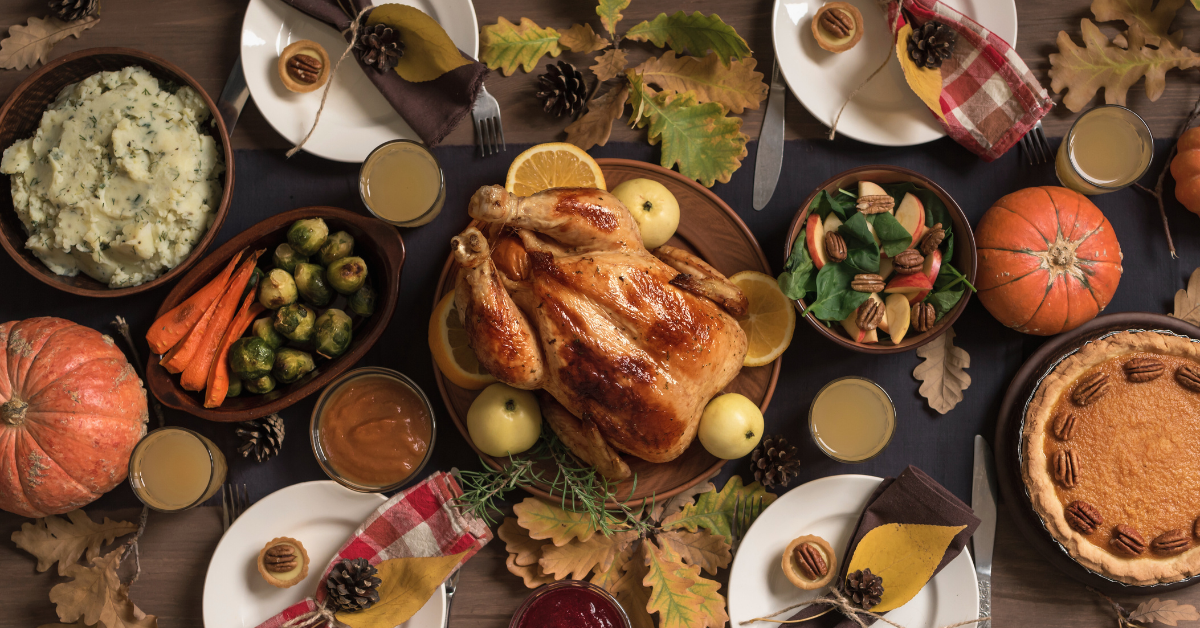
In today’s day and age, although Thanksgiving is often associated with over-indulgence, some options on the typical menu can still be healthy for your smile. For example, the star of the holiday, the turkey, is full of phosphorus and protein, which are essential nutrients for strengthening tooth enamel. Turkey is also low is carbohydrates, which reduces the level of cavity-causing bacteria in the mouth.
Another favorite, cranberries, are rich in polyphenols, which can prevent plaque from sticking to teeth and reduce the risk of cavities as well. If you make sure to go for the lightly sweetened sauce options, you can enjoy the protective properties without the drawbacks!
Other popular Thanksgiving side dishes such as sweet potatoes and pumpkin are packed with beneficial vitamins and minerals if prepared in the correct way. And of course, any dishes that include leafy greens or crunchy vegetables will add an even extra health boost for your holiday smile.
From the resourceful remedies of the early settlers to the smile-friendly foods on today’s tables, its clear that dental care has come a long way since the 1600s. Sharing these fun facts with your patients could be a great way to spark conversation, build connections and add a little historical flavor to their holiday visits. This Thanksgiving grant a few reasons to be grateful for today’s oral health and modern practices!
The bottom line: From early dental remedies to modern mouth-friendly foods, engage patients this season with some fun Thanksgiving facts!


