
Providing quality dental care means recognizing that every patient experiences the office differently. For patients with special needs, a dental visit can involve additional physical, sensory, emotional or communication challenges that require a more thoughtful and individualized approach. As expectations evolve, dental practices have an opportunity to create environments that feel more accessible, supportive and welcoming for every patient who walks through the door! By understanding an individual’s unique needs and making intentional adjustments, dental offices can build trust and improve the long-term oral health of an often underserved community.
Understanding patient needs
Every patient with special needs will have a different set of experiences, preferences and challenges. Some patients may have sensory sensitivities that make bright lights, sounds or certain textures overwhelming. Others may need additional time to process information or to get comfortable during treatment. There are patients who may experience heightened dental anxiety or fear, making unfamiliar environments, sounds and procedures especially stressful. Others may communicate differently and will benefit from clear explanations, visual cues or extra time allotted during conversations. In some cases, mobility limitations or medical conditions need to be taken into consideration, and providing proper care may require adjustments.
Before a visit begins, taking the time to speak with caregivers, review medical histories carefully and ask questions can help dental teams facilitate a more supportive and comfortable experience. It is crucial to approach care with patience, flexibility and empathy. Patients and families should feel respected and understood right from the beginning.
Create a better experience
Creating a better experience for patients with special needs often starts with small but meaningful adjustments. Some great places to start could include:
- Offering flexible scheduling.
- Allowing extra appointment time when needed.
- Reducing long wait times that may increase anxiety or overstimulation.
- Quieter spaces with minimized noise and dimmed lighting.
- Offering pre-visit communications or office tours.
- Having accommodations such as noise-canceling headphones, weighted blankets and sunglasses on-hand.
- Having photos of the office and staff introductions available online.
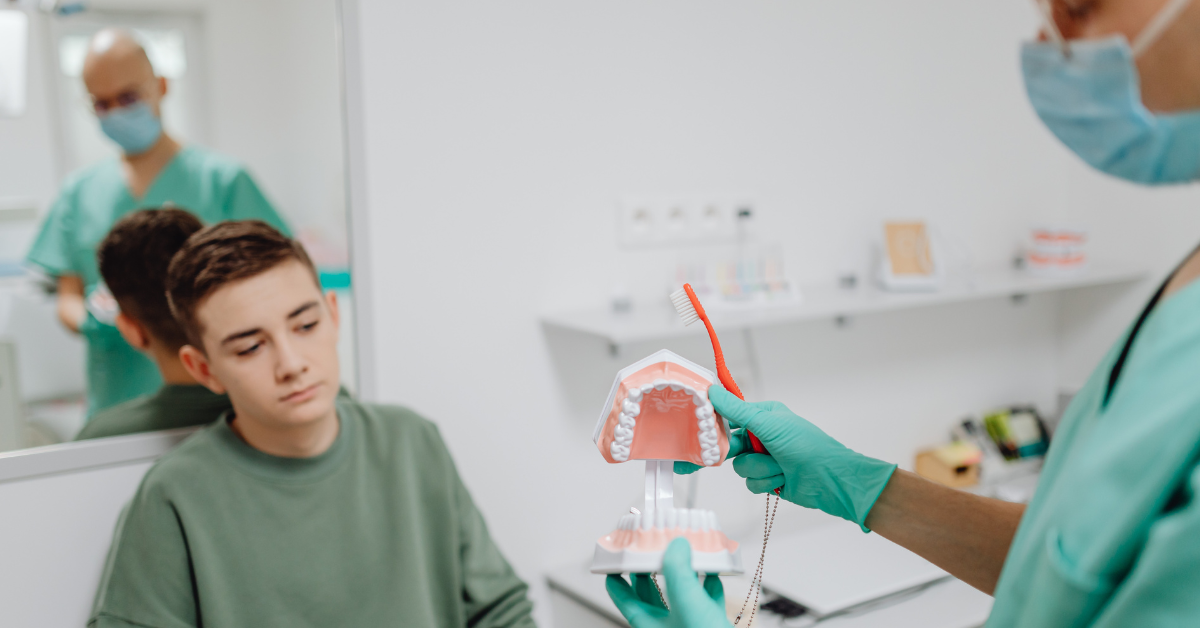
Clear communication can be one of the most important factors. This could mean explaining procedures step-by-step, using visual aids, involving caregivers in conversations or adapting communication styles to fit each patient’s needs.
Practices should also equally consider physical accessibility and mobility accommodations to ensure patients can comfortably navigate the office and treatment areas. Here are some things to make sure you are integrating into your practice:
- Ensuring entrances, hallways and treatment rooms are accessible by wheelchair.
- Providing ramps, automatic doors and accessible parking spaces close to the entrance.
- Arranging rooms with enough space for mobility devices.
- Offering adjustable dental chairs.
- Training staff in safe and respectful mobility assistance techniques.
- Restrooms with grab bars and adequate space.
- Asking patients and caregivers ahead of time about any physical accommodation.
- Consider curbside check-in or flexible waiting room options.
- Keep commonly used forms and materials accessible digitally or in easy-to-read formats.
At the heart of creating a better dental experience for patients with special needs is the willingness to meet patients where they are. Often, it is not about completely changing the way the practice operates, but about making meaningful accommodations that show patients they are seen and valued!
Supporting caregivers and families
Supporting a patient with special needs also means supporting the caregivers and family members who help guide them through the dental experience. Caregivers often have valuable insights into a patient’s routines, triggers, communication preferences and comfort strategies. This makes them an important partner to you in providing successful care. By involving them in treatment planning where appropriate, dental teams can reduce stress for all parties and create a more collaborative experience for everyone involved. Start by:
- Asking questions before the appointment and encouraging them to share information.
- Including caregivers and families in treatment and procedure discussions.
- Allowing caregivers to stay with patients during appointments.
- Working together to create plans and notes for future visits.
- Asking them for feedback after appointments.
It is important to emphasize partnership in care with those in your patients’ lives! The role of empathy also plays a huge part in patient retention. Families remember how they were treated just as much as the clinical care they received. Compassionate experiences can create strong loyalty and even referrals.
Staff training and team culture
Make sure the entire office is trained, not just the dentist, on patience, communication, accessibility and sensitivity. From the first phone call to the front desk interaction to the clinical appointment itself, every staff member plays a role in helping patients and their families feel comfortable and respected. It is crucial for staff to:
- Avoid making assumptions about a patient’s abilities.
- Participate in a variety of training courses.
- Review charts and history ahead of time.
- Communicate internally before appointments and assign clear roles.
- Prepare treatment rooms in advance and know how to adjust environments.
- Plan for extra time needed to avoid rushing.
- Practice calm and clear communication techniques.
- Understand that front desk interactions can shape the patient experience just as much as clinical care.
These are just a few examples of what a staff can do to prove that when the entire office is aligned in creating an inclusive environment, patients and caregivers are more likely to feel welcomed and confident in returning.
In today’s world there is a growing emphasis on patient-centered care, and inclusive experiences are becoming an increasingly important part of healthcare expectations overall. Creating a welcoming dental experience not only helps to improve oral health access for underserved populations, but builds trust that goes far beyond one appointment.
Remember that successful visits look different for each patient, and it is important to celebrate the small wins. These thoughtful efforts will strengthen your practice’s ability to provide truly inclusive, patient-centered care for every person who walks through the door.
The bottom line: Supporting patients with special needs starts with making intentional, patient-centered adjustments throughout their care. By prioritizing empathy, communication and flexibility, practices can create a more inclusive environment that leads to better oral health outcomes and retention.


