
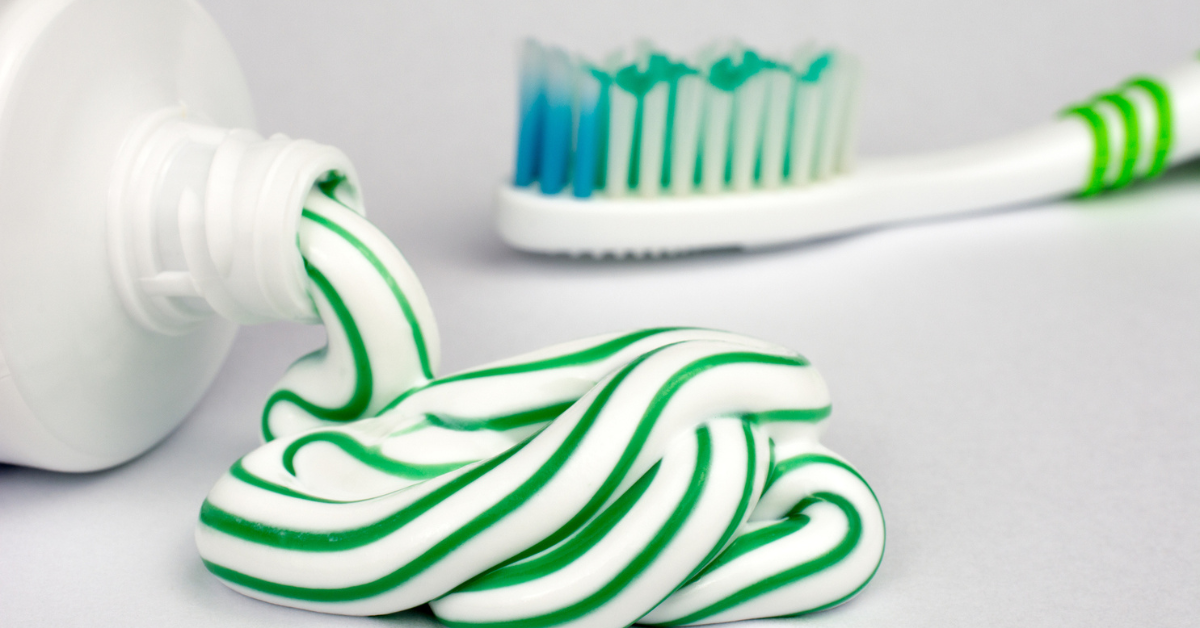
When patients think about a clean mouth, most immediately picture the cool, refreshing taste of mint. From toothpaste and floss to mouthwash and polishing pastes, mint has become notoriously tied to oral care. But there’s more to this connection than simply just a nice flavor.
Mint has been used for oral hygiene for centuries. Before modern toothpaste existed, cultures around the world used herbs to freshen breath and clean their teeth. Mint elements such as spearmint or peppermint were commonly chewed or added to homemade tooth powders due to their naturally refreshing taste, scent, ease of growth and antibacterial properties.
The jump from mint as a convenient natural refresher to a dental product staple took off in the late 1800s with the introduction of tubed commercial toothpaste! Washington Wentworth Sheffield, a dental surgeon from Connecticut (widely known as one of the most skilled dentists in the U.S. to this day), created a ready-made tooth cream that he added various extracts of mint to and started implementing into his daily routine cleanings. His patients praised it, specifically for the pleasing taste it left in their mouths, so Dr. Sheffield began selling it in collapsible tubes. While a few other instances of toothpastes have been noted in the early 1800s, this was the first instance of toothpaste packaged in a tube (the type of tube we still see in modern times). Mint flavoring helped mask the tase of early cleaning ingredients, thus became the main enhancement in the product.

Dr. Sheffield's blueprints and final tube toothpaste product. Image: drsheffieldsnaturals.
Beyond taste, mint creates a cooling sensation thanks to menthol, which is naturally occurring in many mint plants. Menthol activates cold-sensitive receptors in the mouth when it touches the tongue and gums, producing that refreshing feeling, even though the temperature hasn’t actually changed. For patients, that perception reinforces the feeling that their mouth is clean and reset. Modernized marketing techniques in the 20th century even leveraged this concept to advertise the minty "tingle" feeling as a sign that the toothpaste is actively working, adding a new layer to the feeling that mint = clean.
Mint also offers subtle but notable functional benefits. Its mild antimicrobial elements can help reduce odor-causing bacteria, making it a natural fit for breath-freshening products. Combined with fluoride and other active ingredients, mint flavoring helps turn daily oral hygiene into a more pleasant experience.
Today, mint remains the dominant flavor in dental products because it strikes the right balance between effectiveness and familiarity. While an abundance of flavors now exist in this realm, mint continues to signal “clean” in the minds of most people and patients.


